
Discover the importance of SEO for your website's success in ranking search results. Learn the key elements and strategies for optimizing your website today!
Visibility is everything in the digital terrain. Having a website is insufficient; it must be discovered.
Here's where on-site search engine optimization (SEO) finds application. One cannot ignore this fundamental feature of internet marketing.
On-site SEO is maximizing several aspects of your website. This covers URLs, site architecture, meta tags, and content. The aim is To raise the search engine results page (SERP) exposure of your website.

Higher exposure in SERPs, then, indicates more natural visitors to your site. Increased brand exposure, more leads, and finally more conversions can all follow from higher traffic.
On-site SEO, though, goes beyond simply drawing search engines. It also concerns giving your users a flawless and worthwhile experience.
Users are more likely to stay longer when your website loads quickly, is easy to use, and provides high-quality, pertinent material. They are more likely to interact with your material and follow your recommended actions—that is, buy something or register for a newsletter.
Good on-site SEO essentially will enable you to reach your company objectives. On-site SEO can open the path for your email list expansion, sales increase, or online visibility enhancement of your business.
This all-around book will offer you best practices and doable advice. To improve exposure and generate natural traffic, you will discover how best to maximize your content, meta tags, URLs, and site architecture.
This book is for you whether your role is webmaster, owner of a website, or SEO specialist. Using on-site SEO will help your website to realize its full possibilities.
Let us delve right in.
Grasping On-Site SEO
Understanding its foundations is essential if one wants to maximize on-site SEO. Fundamentally, on-site SEO is maximizing several areas of your website to get better results. This covers strategies include bettering meta descriptions and content quality.
Search engines like Google crawl your website and evaluate several on-page components. These elements together define the relevance and value of your site to user searches. Thus, improving these components increases your probability of showing higher in search results.
A well-optimized site is one in which all of its elements line up for best operation. Remember too that on-site SEO enhances off-site strategies including backlinks. Your exposure can be much improved by the synergy between these two facets of SEO.
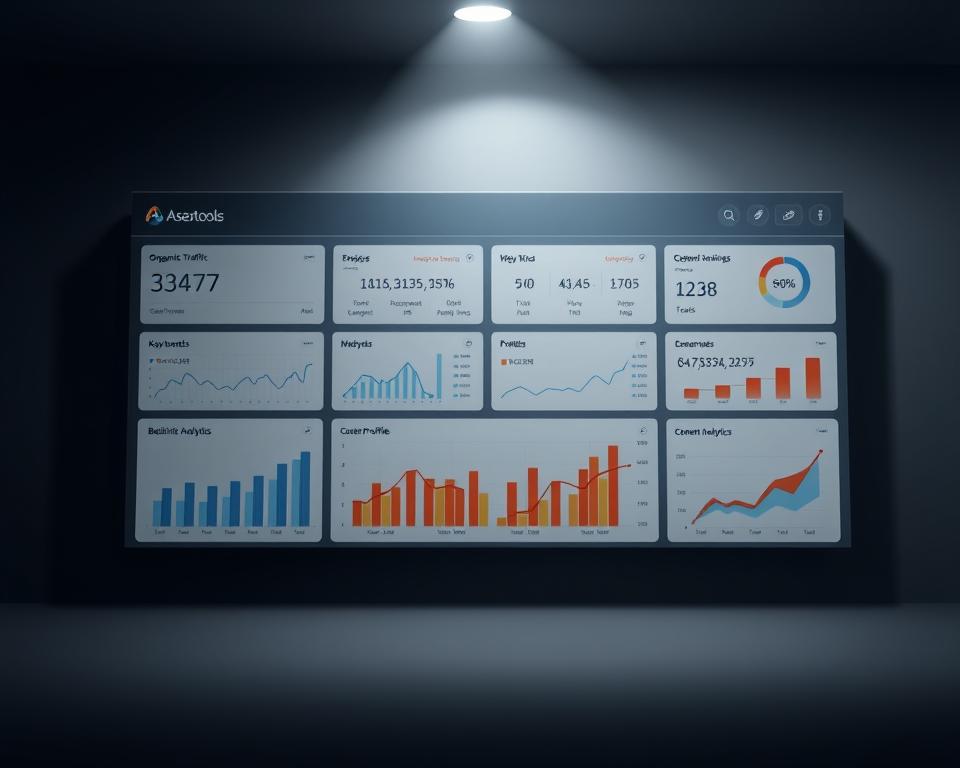
Better search engine results; more natural traffic; better user experience; more engagement and conversions; more brand awareness.
Many companies ignore the potential of on-site SEO. Still, knowing that every page adds to the overall authority of the site is vital. This power tells search engines your website is reliable.
Practically, on-site SEO entails various chores. These chores range from simple procedures like increasing page loading speed to more complex techniques include schema markup. SEO is a unavoidable procedure.
Remember these notions and let's explore on-site SEO and why your online presence relies on them.
On-site SEO maximizes one page on your website to improve search results. It calls for honing technical aspects as well as material. This can cover internal linking, URL building, and keyword placement.
Good on-site SEO guarantees that search engines will find your website easily and graspable. This increases the likelihood that algorithms ranking sites will notice your site. The objective is to give search engines as well as users value.
Beyond only technical improvements, on-site SEO emphasizes content relevancy. Content has to be supplemented with insightful analysis and matched with user intent. Search engines thus see your website as more valuable when people find what they need fast.
Ignoring on-site SEO could cause problems with the performance of your website. Search engines mostly use the pages of your site to grasp its value and goal. Good optimization guarantees these pages sparkle in the competitive digital environment.
Using effective on-site SEO, your website turns into a useful tool. It thereby draws more clicks from search engine results, so boosting natural traffic. Your return on investment for digital marketing initiatives can be much improved by this flood.
Moreover, appropriately tuned pages improve user engagement. Users that discover quality, pertinent material stay longer, hence lowering bounce rates. The flawless experience also motivates consumers to interact with your products and discover more.
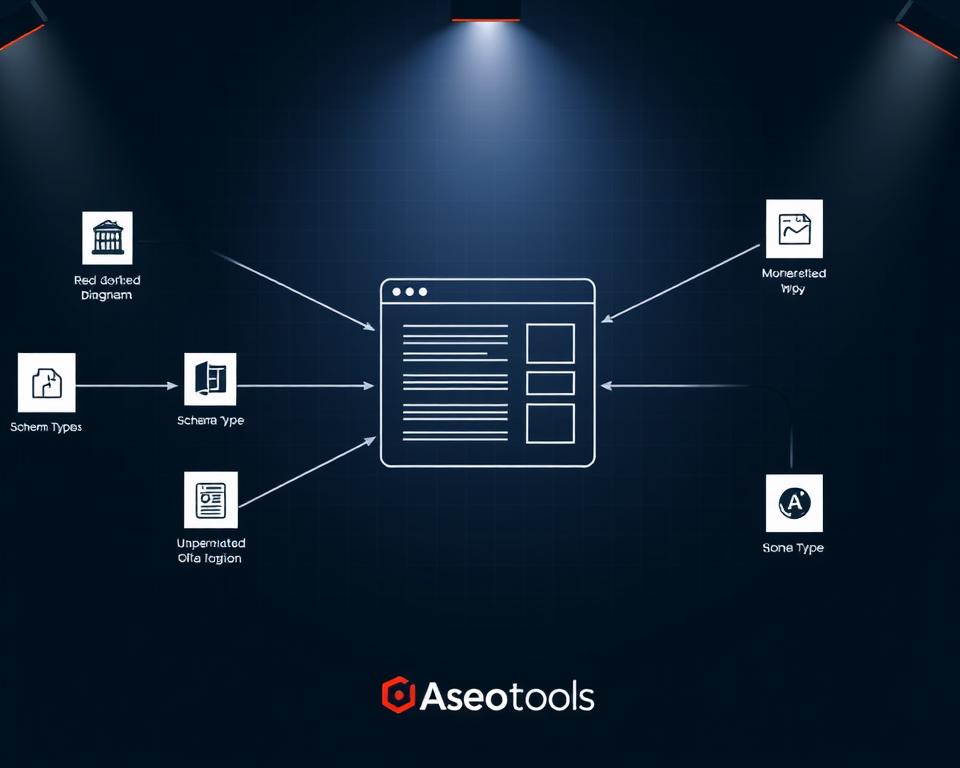
Benefiting users as well as search engines, on-site SEO and user experience go hand-in-hand. A well-tuned site directs people naturally by offering simple access and navigation.
Search engines prefer websites with first-rate user experiences, which drives better ranks. Quickly finding what users need shows value and relevancy, so strengthening the authority of your site.
Making on-site SEO investments concurrently improves search visibility and user experience. Improved user satisfaction and better search engine metrics define the ultimate reward.
On-site search engine optimization depends critically on content optimizing. It guarantees that your site values users and ranks highly. Creating materials that are both extremely relevant and of great quality forms the core of this procedure. This entails answering inquiries and meeting wants of your target audience.
Good content optimization mostly depends on knowledge of search intention. Content production can be guided by knowledge of what visitors to your website expect. Moreover, improved content brings steady traffic and keeps your site relevant over time.
To keep up with search engine algorithms, it calls for frequent upgrades and tweaks. Strong content optimization techniques will pay off greatly for the visibility of your website over long run.
Developing excellent material begins with extensive study and knowledge of consumer needs. Knowing the suffering of your audience helps you to properly handle it. It's imperative to offer ideas or answers unique from the competitors.
Furthermore essential in content creation is relevance. Match your material to the main search queries that readers run across. Blog entries, papers, or even multimedia materials—each aimed at addressing certain problems or guiding users—could all help in this regard.
Excellent material depends much on clear, interesting writing. To help with understanding, use straightforward language, ordered forms, and images. Such techniques increase readability, therefore appealing to search engines as well as consumers.

The foundation of on-site SEO is keywords, hence they need to be chosen carefully. Keyword research enables you to find terms your target readers look for. Google Keyword Planner among other tools can reveal information on keyword competitiveness and popularity.
Use your keywords deliberately in your work once you have them. They ought to show up in titles, headings, and all over the book. Still, avoid cramming since search engines may penalize you.
Targeting particular searches, long-tail keywords are very powerful. Including these will assist your material show up in specialized searches, therefore generating highly focused visitors to your website. Better involvement and conversions could follow from this targeted strategy.
Your efforts at SEO may be seriously hampered by duplicate material. Original material is preferred by search engines, hence duplications can mislead them on which page to index. Making sure every piece of material is original helps to maintain the power of your website from dilution.
Tools abound to assist find duplicate content problems. Making little changes is insufficient; every item should present original ideas and insights. Emphasize providing real value with original approaches and well investigated subjects.
Apart from helping search engines, unique material improves user experience. Users are more inclined to interact when they come across innovative and perceptive material. Higher rankings may follow from this participation as user satisfaction signals find their way back to search engines.
Mostly technological aspects define on-site search engine optimization. They contain components meant to improve search engine crawling and user experience. The speed and visibility of your website are greatly improved by excellent technical SEO.
Improving the technological elements guarantees quick access to your site. Search engines as much as users depend on this. Among the main areas of attention are mobile optimization, site speed, and URL construction.
Effective integration of these technical SEO components improves customer happiness and site rankings. These elements cooperate to produce a strong, highly performing website with good ranking.
SEO mostly relies on a neat and tidy URL structure. Simple and clear URLs let search engines and people know about the contents of a website. For greater clarity, avoid utilizing complicated strings or pointless URLs' arguments.
Including main keywords in URLs raises the discoverability and relevancy of your page. This approach clarifies the subject of the article for search engines. Still, keep URLs simple; otherwise, user experience suffers.
Your website's uniform URL style facilitates navigation and indexing. Good structure helps search engines to crawl more easily, thereby increasing the possibility of better results. Making an effort to improve your URLs would be quite helpful with SEO. site performance and speed.
Both search results and user experience are impacted by site performance, which is very important for SEO. Faster sites often have reduced bounce rates and provide better user experience. Search engines rate pages quicker knowing this.
One might improve site speed in numerous ways. File compression and HTTP request reduction provide good starting points. Load times may also be much improved by using content delivery networks (CDNs) and browser caching.
Frequent performance testing and monitoring of your site assist to point out areas needing work. Speed problems may be found using tools such as Google PageSpeed Insights. Recall that a site that performs well not only ranks higher but also keeps people interested.
Mobile optimization is now very essential given the increase in mobile internet usage. A Your website will look and work on any device thanks to responsive design. It changes with different screen sizes and orientations without sacrificing user experience.
Google's mobile-first indexing approach influences SEO by means of mobile-friendliness. Sites that suffer on mobile devices are less likely to score well overall. Your design strategy should so give mobile usability first importance.

• Make use of Bootstrapp's responsive design framework.
• Get photos ready for quick loading.
• Guarantee simple navigation by means of touch-friendly features.
User happiness may be raised by ensuring that the design of your site is functional across all devices and easy. Testing your site across many mobile platforms guarantees constant accessibility and performance. Maintaining a large user base and obtaining top search engine results depend on this flexibility.
A website's search visibility may be increased by optimizing its meta tags. Search engines can comprehend the information of your website thanks to these tags. Search results' appearance of your website depends much on well-organized meta tags.Title tags and meta descriptions are essential elements influencing click-through rates. They provide a fast taste of your page's offerings. Well crafted these components will increase user traffic and interest.
Besides, a well-organized website improves search engine knowledge. Wise use of header tags aids in content breakdown and point highlighting of key ideas. This company helps your material to be more easily accessible and readable.
Good meta tag and structural utilization affects SEO as well as user experience. Search engines like sites with rationally and neatly arranged material.
The initial impression that search engine results provide visitors to your website is defined by title tags. They should be interesting and instructive. Comprising the core keyword, a well-written title tag appropriately reflects the contents of the website.
Generally, don't exceed sixty characters. This guarantees that they appear accurately in search results and draw consumers' attention. Meta descriptions influence click-through rates but have no direct bearing on rankings.
They should clearly outline the material to entice readers to click. Relevant keywords are included in a decent meta description, which is typically between 150 and 160 charactersA key SEO habit is designing original title tags and meta descriptions for every page. This originality helps to prevent duplication, therefore making every page different in search engine indexing.
You improve visibility and get more natural traffic by honing these components.
Header tags help to arrange your material hierarchically. They have practical as well as decorative value. Appropriately using header tags (H1, H2, H3, etc.) generates an information logical flow.
Usually, the H1 tag is the most important part of a site. It should highlight the general idea of the page and have the main keyword. To maintain clarity and emphasis, try not utilizing more than one H1 tag every page.
Later headers (H2, H3) aid in content breakdown into consumable pieces. They help with secondary point and detail outline, thereby guiding the reader. Heads used logically increases user involvement and enhances material readability.

• Tag one H1 once per page.
• Organize subtopics using H2 and H3 tags.
• Verify headers are descriptive and mirror keywords.
By allowing sites to be more easily crawled and indexed, a clearly defined content hierarchy helps SEO. Search engines reward rationally ordered sites with better ranks. Thus, careful use of header tags helps to improve user and search engine experience.
Modern on-site SEO methods will greatly improve search visibility and performance of your website. These techniques explore more closely how to maximize certain website features to improve user experience and search engine comprehension. Although using these techniques calls for some additional technical understanding, the benefits are really great.
One very effective strategy for improving the search results on a website is schema markup. It facilitates better informed content presentation and comprehension by search engines. Structured data helps you provide your material context, therefore enhancing the rich content potential of your work.
Rich snippets are search result improved listings. They include extras such recipes, event details, or reviews. By distinguishing your listing, this added information raises click-through rates.
Although schema markup might be difficult, the benefits are really large. It not only enhances visibility but also maximizes user experience by enabling users to rapidly locate the necessary data.
As consumers become used to smart gadgets, voice search is starting to show increasing frequency. This update calls for a rearranging and optimizing modification of the material. You have to think about how people talk and ask questions to accommodate voice search.
Typed searches are not as natural as conversational searches. They can incorporate queries or whole phrases. Therefore, creating material that answers popular inquiries and reflects user intentions will improve the voice search optimization.
They fit how consumers ask inquiries orally. Optimizing for these can help your site to better handle voice search traffic, therefore generating more relevant leads for your material.
Images and videos among other multimedia components improve your site's user experience. They break monotony and more effectively involve users than text by itself. Multimedia material is very highly valued by search engines as it usually indicates rich, pertinent information.

Interactive materials include calculators and tests demand users to participate actively. It grabs their attention for longer, therefore reducing bounce rates and extending dwell time. These numbers are very important as they suggest the relevance and quality of your material to search engines.
• Incorporate excellent photos and videos along with appropriate alt text.
• Visualize statistics with infographics and integrated charts.
• Design interactive components meant to inspire user involvement.
• Including many types of materials accommodates diverse learning environments.
It also enhances your website's easily accessible and engaging information. Search engines see your site as useful as these measures become better, hence perhaps raising your rating.
Including interactive and multimedia materials will set your website apart. It appeals to a larger audience, therefore improving user experience and SEO performance eventually. Accept these components to remain competitive in a fast-paced search scene.
Connecting Strategies for On-Site SEO
On-site search depends much on linking tactics. They are crucial for helping search engines throughout your website to distribute page authority. Boosting ranks and creating a coherent website architecture depend on both internal and exterior linking techniques.
Site Architects and Internal Linking
Link equity distribution improves SEO and facilitates site negotiation via internal linking. It links relevant materials to direct users to more information on your page. This approach increases user experience by keeping users involved longer, hence lowering bounce rates.
Correct internal linking also helps search engines to grasp your site's architecture. Clear paths between pages and well-organized site layout enable effective search engine crawling and indexing.
This complete access guarantees the required attention for key pages.
One must balance connection distribution. Too many links on one page will weaken their worth. Emphasize building pertinent, contextual connections that improve content flow and benefit the reader.
Outside Linking and Authority Development
Backlinks—external links—are references from other websites referring to your site. Establishing credibility and power calls for them. Search engines see them as recommendations, which will greatly improve the standing of your website.

Finding good backlinks is really vital. Links from credible websites have greater weight and help your rankings. Developing ties with reputable industry sites promotes natural backlink acquisition.
• Guest blogging on respectable sites.
• producing excellent, shared material.
• interacting with niche-specific influencers.
Steer clear of spammy links and low-quality ones as they could damage the standing of your website. In addition to improving SEO, a deliberate strategy to outside linking generates referral traffic. This natural exposure makes your site more visible and over time draws more qualified visitors.
Maintaining and Enhancing On-Site SEO
Effective management of on-site SEO initiatives is essential to sustaining ongoing success. Frequent analysis helps you to spot areas of strength and development need. Being proactive guarantees that your tactics change with search engine changes.
Crucially important data points come from analytics tools. They help one to grasp technical performance and user behavior. Frequent analysis of these indicators can help you improve the engagement and efficiency of your site.
SEO is not one-time work. Constant observation enables one to follow top standards and trends. This is an iterative process that is motivated by analysis and statistics.
Monitoring Performance with Analytics
Evaluating on-site SEO performance calls for analytics. These instruments provide understanding of user involvement, bounce rates, and traffic sources. Knowing the origins of visitors helps you to customize material to their tastes.
Tracking these numbers is made very easy using Google Analytics. It real-time allows one see site interactions. This transparency lets you decide on structure and content with knowledge.
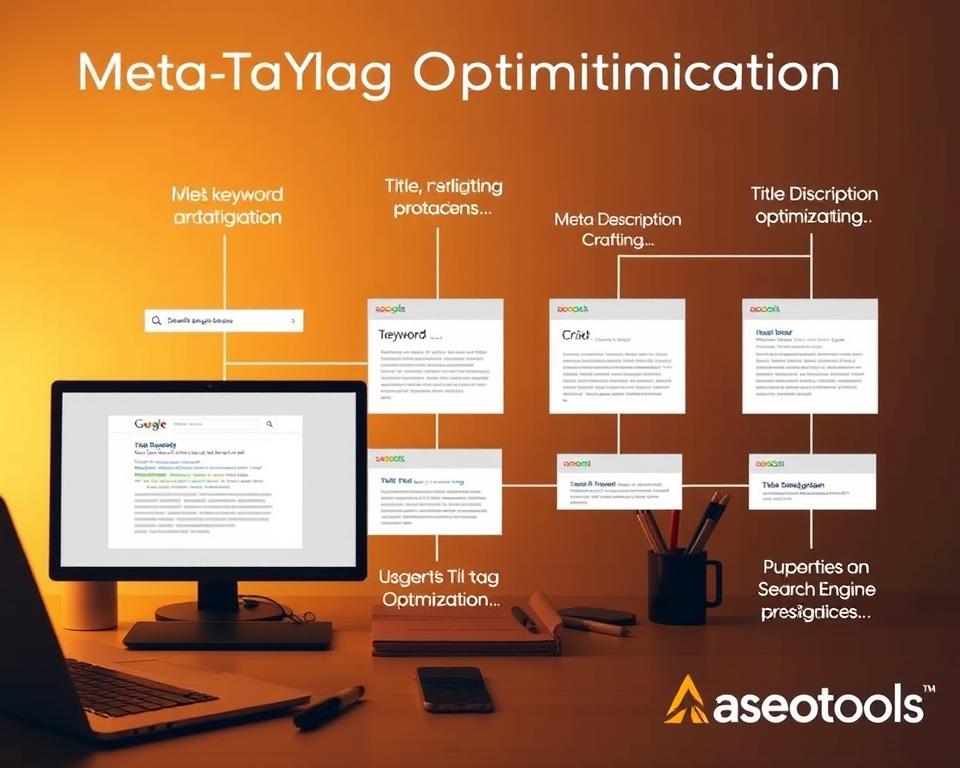
Determine which material is most relevant to your viewers by using analytics. This knowledge helps you to concentrate on working techniques and modify those that do not work. Data-driven solutions enable continuous attempts at optimization.
Frequent content updates and SEO audits
Maintaining relevance depends critically on regular content updates. New material tells search engines your site is still active and current. Updates, however, go beyond mere content; technological health checks are also rather important.
Among the problems that SEO searches find are broken links and duplicate content.. Dealing with these could help to avoid fines and enhance user experience. An audit offers a comprehensive picture of the state of your site.
• Plan consistent audits and upgrades.
• Using tools, find and resolve technical problems.
• Review your material's freshness and accuracy regularly.
Constant reviews guarantee that your website stays competitive and optimal. Updating and auditing your site using a methodical strategy helps it to match SEO trends. It guarantees your exposure in search results and maintains natural traffic increase.

One vibrant field is on-site SEO. Your methods have to evolve as search engines improve their algorithms.
Maintaining and enhancing the visibility of your site depends on your keeping current with these developments.
SEO is closely related with user experience and goes beyond a mere technical activity. Your website should evolve with the changing expectations of visitors. This entails constantly reviewing and improving every element of your on-site work.
It's about harmony. This word covers anything from following search engine policies to making sure your material appeals to the core of user intention. When you can match these components, you grab the interest of search engines as well as people.
Success with on-site SEO depends on awareness. You welcome development when you see this activity as a journey rather than a goal. Maintaining good search results depends on constant updating and adaptability being committed to.

SEO trends vary often. Algorithms change; new features show up; user preferences also change. To adjust, consult reliable SEO blogs and take part in forums and seminars.
Consult professionals in your field to learn about popular trends. This maintains your tactics not just current but also creative. Including innovative ideas guarantees that your website stays competitive in a constantly changing digital environment.
| Tool | Primary Function | Key Insights |
| Google Analytics | Comprehensive website tracking | User behavior, traffic sources |
| Google Search Console | Search performance analysis | Keyword rankings, site errors |
| SEMrush | Competitive analysis | Keyword opportunities, site audits |
SEO should mirror your company's goals exactly. The attempts at site optimization must complement your more general objectives. When matched, SEO may propel significant outcomes and steady expansion.
Make sure every SEO choice advances the main goals of your company. This strategy promotes online and offline integrated brand presence. Strategic alignment lays a strong basis for both company and SEO's long-term success.

Success of a website depends mostly on on-site search engine optimization. This book addressed key strategies to increase your web profile. SEO is about implementing long-lasting improvements fit for search engine and user requirements.
Good on-site SEO calls for a whole strategy. It covers technical corrections and keyword research. See SEO as a lifelong learning path to stay ahead online.
The presented techniques provide a good approach to make your website better. Priorities one should be technical understanding, user experience, and quality materials. One long-term commitment in your digital strategy is on-site SEO.
Following search tech developments is really vital. I advise you to regularly review your website, monitor its performance, and provide worthwhile material. In this sense, you satisfy search engine and user expectations.
On-site SEO improves search engine and user-friendly quality of your web pages. It entails besting HTML, content, and site architecture. Visitors and search engines will so find your site more attractive.
On-site SEO depends much on keywords. They let search engines grasp your material. Still, you naturally use keywords and avoid crowding them. Instead concentrate on semantic search and user intent.
Meta tags let search engines know about your web page. Key are meta descriptions and title tags. They allow search engines know about your information and raise click-through rates.
Internal linking lets search engines grasp the framework of your website. It enhances navigation and shares page authority. Your SEO will be much improved by a robust internal linking structure.
For search engines, site speed ranks highly among important criteria. Faster websites rank higher and provide a better user experience. Use CDNs, browser caching, and image optimization to quicken your site.
Modern times need mobile response. Non-mobile-friendly websites might suffer in ranking with Google's mobile-first crawling. For improved user and search engine performance, make sure your site runs properly on all devices.
Search engines can better understand your material when you use schema markup. It may result in rich snippets in search results that increase click-through rates and provide comprehensive information directly in the search results.
Perform at least quarterly a thorough SEO audit. The digital world evolves quickly. Track the performance of your site using Google Analytics and Google Search Console and keep informed about algorithm changes.
Long-tail keywords are particular phrases with less search volume and increased conversion potential. They have less competition and assist to target particular markets, thereby simplifying ranking.
Create excellent, in-depth material meeting user purpose to enhance content. Naturally use keywords; incorporate header tags, multimedia, and make sure your material is easily readable and ordered. Value always comes first for your audience over search engine results.


